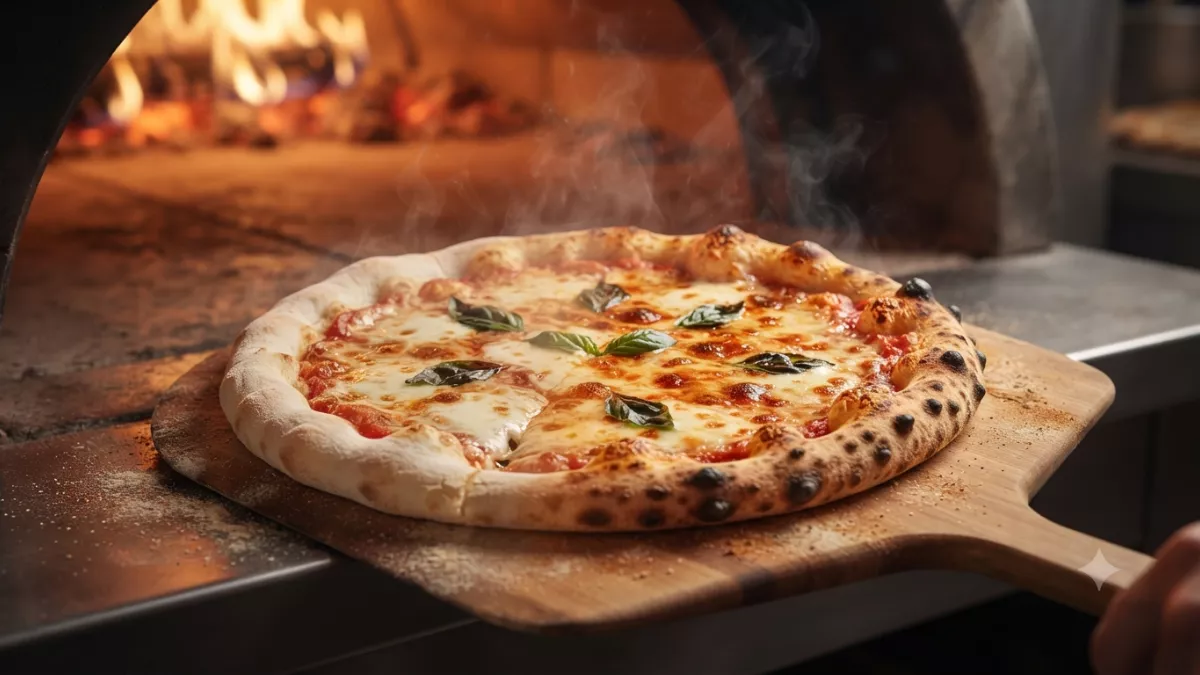
Pizza comes in countless shapes and styles, but few varieties stand out as much as Chicago deep-dish pizza. Unlike the thin, foldable slices associated with New York or the soft, airy crust of traditional Neapolitan pizza, Chicago deep-dish pizza is thick, hearty, and baked inside a deep, round pan. Its structure allows it to hold generous layers of cheese, toppings, and chunky tomato sauce.
For people accustomed to conventional pizza, the first slice can be surprising. Instead of spreading ingredients across a relatively flat base, deep-dish pizza builds them vertically, creating something closer to a savory pie. The crust forms a sturdy bowl around the filling, helping the ingredients cook together without losing their shape.
However, its distinctive design is not just about making a bigger meal. The dough, pan, ingredient order, and baking process all work together to create a specific texture and flavor.
In this guide, we will explore why Chicago deep-dish pizza is built differently from traditional pizza, how it developed, what makes its ingredients unique, and why it continues to attract pizza lovers around the world.
What Is Chicago Deep-Dish Pizza?

Chicago deep-dish pizza is a regional American pizza style known for its tall crust, deep pan, substantial filling, and thick tomato topping. It became popular in Chicago during the mid-twentieth century and developed a distinctive identity within the city’s food culture.
Unlike a conventional flat pizza, deep-dish pizza is baked in a round pan with relatively high sides. The dough is pressed across the bottom and up the sides, creating space for a substantial amount of filling.
Cheese is commonly placed directly on the dough, followed by meat or vegetables and a generous layer of tomato sauce. This order differs from the sauce-first arrangement commonly seen in many other pizza styles.
The crust is generally thicker than a New York or Neapolitan base. Depending on the recipe, it can have a crisp exterior, a tender interior, and a rich flavor influenced by the dough’s fat content.
Deep-dish pizza is also typically served in triangular wedges and eaten with a knife and fork because the filling can be hot, heavy, and difficult to handle like a thin slice.
Although ingredients and techniques vary among restaurants, the defining feature remains the same: the pizza is designed as a deep, structured dish rather than a thin, flat base.
1. The Crust Is Designed Like a Bowl

The most obvious difference is the crust. Traditional thin-crust pizza uses a relatively flat base that supports a moderate layer of sauce, cheese, and toppings. Chicago deep-dish pizza uses dough that extends up the sides of a deep pan.
This creates a bowl-like structure capable of holding much more filling than a conventional pizza.
The crust must be strong enough to support the weight of melted cheese, meat, vegetables, and tomato sauce. At the same time, it should remain tender enough to cut and enjoy easily.
Many deep-dish recipes use dough containing butter, oil, or other fats. Some recipes incorporate cornmeal, which can add a subtle flavor and a slightly different texture. However, recipes vary, and cornmeal is not essential to every Chicago-style crust.
The deep pan also influences how the crust cooks. The bottom and sides make contact with the heated metal, helping develop a browned exterior while the interior bakes.
This combination of structure and texture is one of the main reasons Chicago deep-dish pizza cannot simply be made by adding extra toppings to a thin-crust pizza.
2. The Ingredients Are Layered Differently
One of the most distinctive characteristics of Chicago deep-dish pizza is its ingredient order.
Many traditional pizzas place sauce over the dough, followed by cheese and toppings. Chicago deep-dish pizza often reverses part of this arrangement.
A common assembly method looks like this:
- Dough pressed into a deep, oiled pan.
- Sliced or shredded mozzarella placed over the bottom.
- Sausage, vegetables, or other selected toppings added above the cheese.
- Tomato sauce spread generously over the top.
- Optional finishing ingredients added according to the recipe.
The cheese-first arrangement helps separate the dough from the moisture in the sauce and other ingredients. Because the pizza is thick and takes longer to bake, this can help manage moisture and protect the crust’s texture.
The toppings are also distributed within the structure rather than simply scattered across a flat surface. This gives every slice a substantial filling and a more layered appearance.
The precise order is not identical at every restaurant, but the combination of a deep base and a substantial sauce layer is central to the style.
3. The Tomato Sauce Plays a Bigger Role

Tomato sauce is an important part of almost every pizza style, but Chicago deep-dish pizza often features a particularly visible and generous layer.
The sauce is commonly thicker and chunkier than the smoother sauces used in some traditional pizzas. Crushed tomatoes, herbs, garlic, salt, and other seasonings may be used to create a rich tomato flavor.
Because the sauce sits near the top, it becomes a defining feature of the pizza’s appearance and taste. Instead of being partly hidden beneath cheese, the tomatoes remain prominent in each slice.
The sauce also balances the richness of the cheese and dough. Tomato acidity helps prevent the pizza from tasting overwhelmingly heavy, while herbs and seasoning add depth.
Since the pizza bakes for longer than many thin-crust varieties, sauce consistency matters. A sauce containing excessive liquid can contribute to a soggy center, so cooks often use drained tomatoes or a thicker preparation.
The result is a pizza with a more substantial tomato layer and a different balance of flavors from pizzas where cheese dominates the surface.
4. Deep-Dish Pizza Requires a Different Baking Method
A thin pizza can cook quickly because heat reaches the dough and toppings across a relatively shallow structure. Chicago deep-dish pizza requires more time because its crust and filling are considerably thicker.
It is commonly baked in a deep metal pan at a moderate-to-high oven temperature, often around 400–450°F (205–230°C), although restaurant methods vary. Baking may take roughly 25–45 minutes depending on the recipe, oven, pan, and thickness.
During this time, the crust must cook through, the cheese must melt, the toppings must heat properly, and the sauce must develop its flavor without burning.
The pan is essential to the process. Its sides help the dough retain its shape and support the filling as the pizza bakes. Metal also transfers heat to the crust, encouraging browning around the bottom and edges.
A deep-dish pizza cannot be judged by the same baking time used for a thin Neapolitan pizza, which may cook in about a minute or slightly longer in a very hot traditional oven.
For home cooks, patience is important. Cutting the pizza immediately after removing it from the oven may cause the filling to spread. Allowing it to rest briefly helps the layers settle and makes cleaner slices easier to serve.
5. Cheese and Toppings Create a Hearty Filling
Chicago deep-dish pizza is known for its generous filling. Instead of relying on a thin layer of cheese and a small amount of toppings, it often contains substantial quantities of mozzarella, sausage, or vegetables.
Mozzarella is widely used because it melts well and creates the familiar stretchy texture associated with pizza. Some recipes combine it with other cheeses to alter flavor or richness.
Italian sausage is a popular topping, especially in Chicago-style preparations. Other options include mushrooms, onions, peppers, and spinach.
The deep structure makes it possible to include more ingredients without requiring them to remain balanced on a thin surface. However, adding too many wet toppings can still affect the final texture.
For example, mushrooms and fresh vegetables release moisture during cooking. Using appropriate quantities and preparing ingredients carefully can help avoid a watery filling.
The result is a pizza that feels more like a complete baked meal. A single slice can be filling because it combines crust, cheese, vegetables or meat, and tomato sauce in substantial layers.
6. The Pan Determines the Shape and Texture
The baking pan is not simply a container; it is part of the deep-dish design.
Chicago deep-dish pizza is usually made in a round metal pan with tall sides. The dough is pressed into the base and along the walls, forming a continuous crust that holds the filling in place.
This design produces several differences:
- Higher edges: The crust forms a rim around the filling rather than a narrow outer border.
- A thicker base: The bottom must support the weight of the ingredients.
- More browned surfaces: The dough contacts the bottom and sides of the heated pan.
- A structured slice: The crust helps keep the cheese, toppings, and sauce together.
A regular flat baking tray cannot produce the same shape because it lacks the sides needed to hold the dough and filling.
For home preparation, a dedicated deep-dish pan is useful, although a suitable round metal cake pan may work if it is oven-safe and deep enough. The dough should be fitted carefully without making the base excessively thick.
The pan’s material, depth, and preparation all influence the final crust. Lightly greasing it can help with release and browning, depending on the recipe.
7. Chicago Deep-Dish Pizza Has Its Own History
Chicago deep-dish pizza is more than a variation in cooking technique. It is part of the city’s distinctive culinary identity.
The style is widely associated with the opening of Pizzeria Uno in Chicago in 1943, where Ike Sewell and Ric Riccardo are commonly credited with helping popularize the deep-dish form. Its exact development reflects the broader evolution of pizza in Italian-American communities and the creativity of local restaurant owners.
As the style gained popularity, Chicago restaurants developed their own versions, varying the dough, cheese, sauce, toppings, and cooking methods.
Deep-dish pizza became known for being different from the thin, quickly served slices associated with New York. Its size and preparation made it suitable for a sit-down meal rather than a quick snack.
Chicago also has other pizza traditions, including tavern-style pizza, which is thin and often cut into squares. This is an important reminder that Chicago pizza is not limited to deep-dish alone.
Nevertheless, deep-dish remains one of the city’s most recognizable food exports, attracting visitors who want to experience a distinctly Chicago-style meal.
Chicago Deep-Dish Pizza vs. Traditional Pizza
The term “traditional pizza” can describe several styles, including Neapolitan and New York pizza. The comparison below uses those two familiar examples to highlight how deep-dish differs.
| Feature | Chicago Deep-Dish | Neapolitan Pizza | New York Pizza |
|---|---|---|---|
| Crust | Thick, pan-formed sides | Thin center, airy rim | Thin, flexible base |
| Shape | Deep, round pie | Flat, round pizza | Large, round pie |
| Sauce placement | Often on top | Usually beneath cheese | Usually beneath cheese |
| Cheese | Generous filling | Usually a lighter layer | Moderate to generous layer |
| Baking time | Often 25–45 minutes | Around 60–90 seconds in a traditional hot oven | Usually several minutes |
| Baking equipment | Deep metal pan | Traditionally a very hot pizza oven | Often a deck oven |
| Texture | Rich, structured, substantial | Soft center, airy crust | Chewy with a crisp underside |
| Serving style | Usually a fork-and-knife slice | Whole individual pizza | Often served by the slice |
Cooking temperatures and times vary by restaurant, oven, and recipe. These are typical comparisons, not strict requirements for every pizza.
Is Chicago Deep-Dish Pizza Actually Pizza?
This question often appears in discussions among pizza fans because deep-dish looks very different from thin-crust varieties.
Some people describe it as a savory pie because of its tall sides, thick filling, and top layer of tomato sauce. Others consider it an unmistakable form of pizza because it uses familiar pizza ingredients and follows a regional pizza-making tradition.
Both descriptions help explain its appearance, but calling it pizza is entirely reasonable. Pizza does not have to follow one universal shape or ingredient order.
Across Italy and the United States, regional styles have developed different crusts, toppings, sizes, and baking methods. Neapolitan pizza, New York pizza, Detroit-style pizza, and Chicago deep-dish pizza each reflect their own culinary traditions.
The important distinction is that Chicago deep-dish is built around a deep pan and layered filling, rather than the flatter structure used in many other pizza styles.
Tips for Enjoying Chicago Deep-Dish Pizza
If you are trying Chicago deep-dish pizza for the first time, a few simple tips can improve the experience.
Start with a classic combination. Cheese and Italian sausage are popular choices that let you experience the rich filling and tomato sauce.
Allow the pizza to rest. A short resting period after baking helps the cheese and sauce settle, making the slices easier to cut and serve.
Expect a longer cooking time. Deep-dish pizza is thicker than most conventional pizzas, so it takes longer to bake properly.
Choose portions carefully. Because each slice can be substantial, sharing a pizza may be practical when dining with others.
Balance the meal. A fresh salad or lightly dressed vegetables can complement the richness of the crust and cheese.
Try different Chicago styles. If you enjoy deep-dish, consider tasting tavern-style pizza as well. Its thin crust and square-cut slices offer a very different experience from the city’s famous deep pan.
Frequently Asked Questions
1. Why is Chicago deep-dish pizza so thick?
Chicago deep-dish pizza is made in a deep pan with dough pressed across the bottom and up the sides. This creates room for generous layers of cheese, toppings, and tomato sauce while keeping the filling contained.
2. Why does Chicago deep-dish pizza put sauce on top?
The cheese-first, sauce-on-top arrangement is a characteristic feature of many deep-dish recipes. It helps create distinct layers and accommodates a generous amount of tomato sauce during the longer baking process.
3. How long does Chicago deep-dish pizza take to cook?
Many recipes take approximately 25–45 minutes, depending on the oven temperature, dough thickness, pan, and toppings. The pizza should be cooked until the crust is done and the filling is thoroughly heated.
4. Is Chicago deep-dish pizza different from stuffed pizza?
Yes, although the terms are sometimes confused. Deep-dish pizza generally has one main layer of dough forming the bottom and sides. Chicago-style stuffed pizza commonly includes an additional dough layer over the filling, with sauce often spread on top. Recipes vary by restaurant.
5. Can you make Chicago deep-dish pizza at home?
Yes. A deep metal pan, suitable dough, mozzarella, tomato sauce, and your preferred toppings are a good starting point. The key is to manage moisture, avoid an excessively thick dough base, and allow enough time for the crust and filling to cook through.
Final Thoughts
Chicago deep-dish pizza is built differently because every part of its design serves a purpose. The deep pan supports the filling, the crust creates a sturdy bowl, the cheese and toppings form substantial layers, and the tomato sauce adds a distinctive finish. A longer baking process brings these elements together into a rich and satisfying meal.
Unlike thin New York or Neapolitan pizza, deep-dish is designed around depth rather than a flat, foldable slice. Its distinctive structure reflects Chicago’s culinary history and demonstrates how pizza can evolve into different regional traditions. Whether you enjoy its thick crust, generous cheese, or rich tomato topping, Chicago deep-dish pizza offers an experience that stands apart from conventional pizza.